
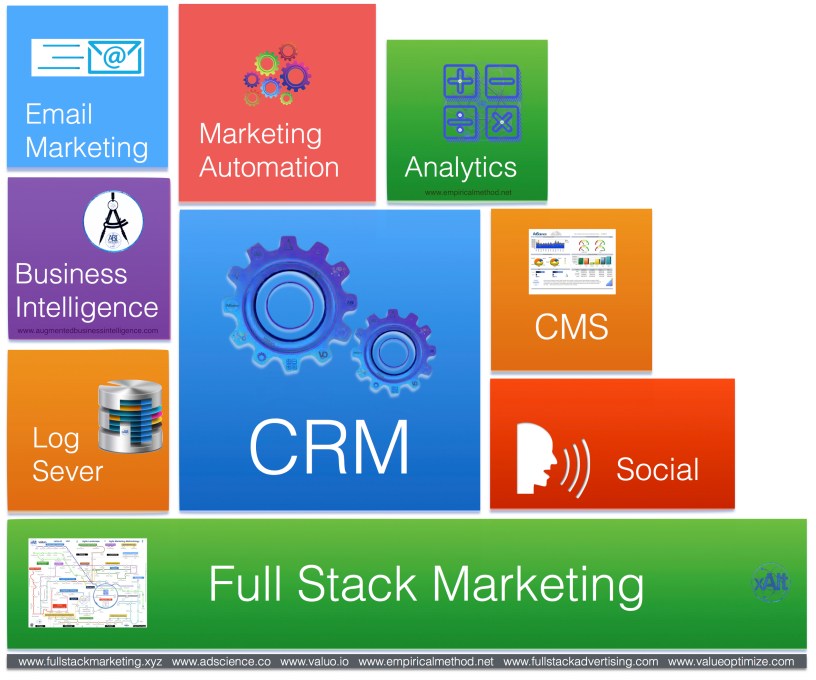
‘Full Stack Marketing’ Integrate Emotion into your Business
What is ‘Full Stack Marketing’? Full stack marketing is a holistic approach to effectively telling your business or professional services story from every layer of your business and your customers appreciation and enjoyment of your product(s) or service(s). It includes: the business, the business story, the product or service story, how does the story fit into the community and the minds of the customers or targeted customers. Where do the customers live, what do they read, what do they watch, what are their pastimes, what is their history, who are their influencers what are their ambitions. Why your team works at your business and why they enjoy delivering to your customers every day.
valuo recognizes the time constraints you have on running your business. As entrepreneur’s ourselves we know how much passion it takes to run a business. Many of the successful small and medium business owner’s we know could make a lot more money working for a corporation in a lot fewer hours. To be successful in business you need to love it and you need to obsess. As a result most tend to think of their business every waking hour (verses the expression 24/7) though I often find myself dreaming of business, I suspect I may be unusual. Thinking about your business is working on your business and we are here to help. If you have finally got your business making $100,000 a year you are making about $17 an hour! Which is better than it sounds.
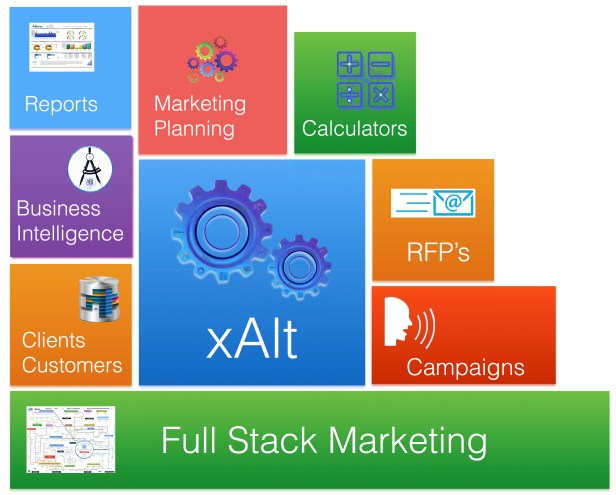
One of the issues many SME’s face is explaining how impatient you are when people waste your time or more importantly your money. When you work 16 hours a day for your passion and your family wasting money on business ideas that don’t work is very frustrating. Being able to be in control is very important. valuo delivers that control, we provide the calculators your need to determine how much to invest in your sales and marketing efforts, we provide the business planning marketing planning tools you need to effectively grow your business with your budget and your resources firmly in your grip. And we provide you with business intelligence and our RFP tools for your strategy and planning and importantly ‘control’ should you wish to hire specialist(s) to build a microsite, write a creative piece or design a campaign.
You can learn more about our platform at www.valuo.io. Today we want to share some ideas on connecting your business with your customers emotional state:
When your consider all of the components of your business and your customers interaction with your business a great path to follow in identifying effective marketing strategies is to understand where your product or service fits into the emotional needs of your business and retail customers. valuo xAlt has grouped a handful of emotional state summaries below, figure out where your business most likely fits within these emotional states and which ones your team are most effective at dealing with, once you have done that you can build it into your mission and communicate it with your team and your customers in a way that will resonate.
Cultural Bias & Emotions and Buying Decisions
People tend to believe that their decisions are based on a rational or analytical processing of their options. They like to believe that they’re in control, that their assessments lead them to making the right or best decision and that they aren’t swayed by branding or advertisements.
However, even if they sneak in ever so subtly, emotions are the main drivers in the entire decision-making process. Decisions are simply emotional, not logical.
To craft optimized and personalized shopping experiences that resonate with buyers and to help you drive sales as well as loyalty, you have to understand the key emotional drivers and factors in your shopper’s needs, wants, and behaviours in their purchase journey.
Let’s run through the emotional shopping states that influence shopping behaviours, and explore how frequently they occur as well as which strategies you can employ to connect and engage with customers in different emotional mindsets.
Confirmation & Needs Validation
For about 20% of shoppers, this is the most frequent emotional state. ‘Needs validation shoppers’ are driven by a need to validate their choices. They are doubtful and hindered by a fear of getting it wrong, which makes them struggle to make up their minds.
In this state, shoppers are looking for other people’s opinions on their purchase and are open to expert advice.
Idea: ‘user reviews’, conversations on social media and most importantly, your expert advice, will play a major part in their decision making process. Integrate solutions that let you offer choosing support, e.g. interactive shopping guides, at crucial touch-points in the customer journey. You will be able to deliver confidence and build trust.
Fear & Decision Anxiety
These people get overwhelmed when they shop. They experience the effects of choice overload and take their time to consider their options.
In a state of decision anxiety, shoppers know that they should make a choice, but they are not able to capture and assess the available options to such a degree that it makes them feel confident enough to make a decision. So they decide not to decide at all or decide over-hastily.
Idea: Avoid communicating technical features. It will only confuse them more. A shopper with decision anxiety needs help and assistance to remove the nervousness and distractions from the shopping experience.
Idea: Customizing their search, give them control, help them to compare options, and providing them with a simple and easy journey will alleviate some of their worries and focus their purchase-decision process.
Significant & I’m Special
These shoppers love to feel special and unique. They crave exceptional shopping experiences that fit right in with their individual shopping preferences and habits, and put their needs first.
The ‘I’m special’ group is more likely to hear about your products on social media and will share their purchase with their network too. They could be your early adopters and they certainly are your influencers that’ll help you spread the word and grow your customer base.
Idea: The clue is in the name with this group. You’ve got to make them feel unique and special. They expect highly personalized experiences, exclusive memberships, limited edition product releases and one-off targeted promotions. It strokes their ego and increases their sense of importance. Keep giving them things for free (content, products, services, samples) and let the art of reciprocation take its course.
Early Adopters & Got To Be First
These shoppers are driven by their need to feel superior, stand out and make a statement to their peers.
You know them. They have strong opinions about brands and are the ones that would camp outside the store to be first to get their hands on the latest model.
Although features and style influence their decisions to some extent, the deciding factor is whether the product will take them closer to their ideal self and help them display their identity and values.
Idea: Think about how your product or service will make your customer feel. Appealing to the ‘got to be first shopper’ is just as much about getting your product right as it is about the tactics you use to sell it. Don’t market your technical specs, market your lifestyle.
 Maven’s & Know-It-All’s
In this emotional state, people are research hounds. They enjoy doing their research and are driven by their desire to be the leader and expert that friends, peers and colleagues can turn to for advice and recommendations.
They want to know it all. They browse and “shop for information” even when they’re not actively looking to purchase.
Idea: The Know-it-all will be spending time on your website, established news sites and will be reading industry publications on cutting-edge technology. Make sure to be featured in the primary news sources of your target audiences and turn them into educated influencers. valuo partner SmrtCrt engages the mavens by putting information at their fingertips when they shop in your store.
Type A & Buy And Be Done
These people get easily frustrated when they shop and can also feel the effects of choice overload.
In this state, shoppers want to spend as little time as possible with shopping and don’t particularly enjoy the experience. It’s a headache for them to search and explore a store in hopes to find the right product.
Idea: Help them in their quest to save time and minimize their frustration. Integrate self-service options in-store and online to help shoppers find the information they need or the solutions to their problems quickly, without having to rely on the availability of a sales associate. Use our partner SmrtCrt to upgrade your service to ‘type A’s’.
Instant Gratification & Want Some Fun
In this state, shoppers browse and shop for fun. This is what’s known as dopamine browsing – shopping to feel rewarded or inspired. They are usually tech-savvy and consider the use of digital technologies in-store and online, social media, and mobile as part of an ideal shopping experience.
You probably know quite a few people who like shopping. Well, people who shop in the Want Some Fun emotional state don’t just like it, they love it. It’s their hobby, their entertainment, their escape.
Idea: The Want Some Fun shopper needs to be engaged and expects instant gratification. They’re looking for fun and entertainment and enjoy discovering items themselves. Provide them with a personalized, unique and interactive shopping experience to engage them and keep them entertained. Recognize and remember these customers, learn their names, people mimic their friends and these shoppers are always recruiting friends to come shopping with them.
Cultural Bias & Avoiding Remorse
These people consider shopping as a chore and would always opt for the easiest and most trusted path to purchase.
When shoppers want to avoid remorse, they are more likely to purchase brands that reflect their values and beliefs or simply habitually purchase the things that they always have, because they feel safe in their purchase decision.
Idea: Pulling them away from their habitual purchase patterns is a challenge and pushing them into a sale will not work. You have to be memorable and make your store experience more than just a place to get merchandise. Using store technology such as SmrtCrt as an interactive assistant can help you get their attention to educate them and nudge them into exploring and discovering new items in your store.
Make Emotion Central to your Strategy
Emotions are natural human drivers that dictate how we behave and what we do. They influence how we shop and what we buy. Taking these emotional shopping modes into account and integrating them into your sales strategy lets you drill down to the real reasons why customers shop and helps you meet their real needs.
Business to Business
We have to remember people making the business buying decisions are ‘people’ There are many noteworthy differences between B2B and B2C marketing that help explain why the B2B approach is traditionally more rational – longer sales cycles, more complex, fewer buyers, price variations for different buyers or situations, prospects conducting more research, more people involved in the decision process, personal interactions being more important, and greater influence by third parties. The typical business buying process starts with an explanation of what the product or service offers, then how it works and finally why it makes sense for the prospect and his/her company, the definition of the ‘value proposition’. It is the classic what-how-why approach, with the hope that ultimately this process will develop a sense of trust with the buyer. The emphasis is often on a rational, formulaic evaluation, with little or no emotion included, even though building one-to-one personal relationships is more common and pronounced in business for obvious reasons, not the least of which is the duration of the relationship. As a result it is both shocking and confusing that so many companies fail to own the emotional journey.
Most corporate buyers who see a personal value in a business purchase will end up buying the product or service. In fact, personal value has two times the impact on the buyer than business impact does. The reasons that people buy are usually attached much closer to their emotional center than their rational thinking. And while buyers will often push hard for specifications, data sheets and statistics in order to help them justify a buying decision, more often than not these requests are often their way of telling you that they are not yet seeing the personal value in the product being sold to them.
When you boil it all down, ultimately corporate buyers are people and that i s probably the most significant driver of integrating personal emotion into the business purchase. No matter how much as individuals people try to put their “Company” hat on and tow the company line, they allow personal feelings to influence the way they make purchases.
Idea: Get to know the person, learn about who the buyer is, why they made their career choice, where they plan to be next on their career journey, what they think of their competition will tell you a lot about what they think of their company. Learn what the buyers biggest challenges and goals are for the year ahead on their personal corporate journey and determine if your product or service can address ‘their’ needs.
Learn more about ‘Full Stack Marketing’ at www.fullstackmarketing.xyz

www.valuo.io www.xalt.co www.value-o.com www.valueoptimize.com www.fullstackadvertising.com
 Calibrate Ai